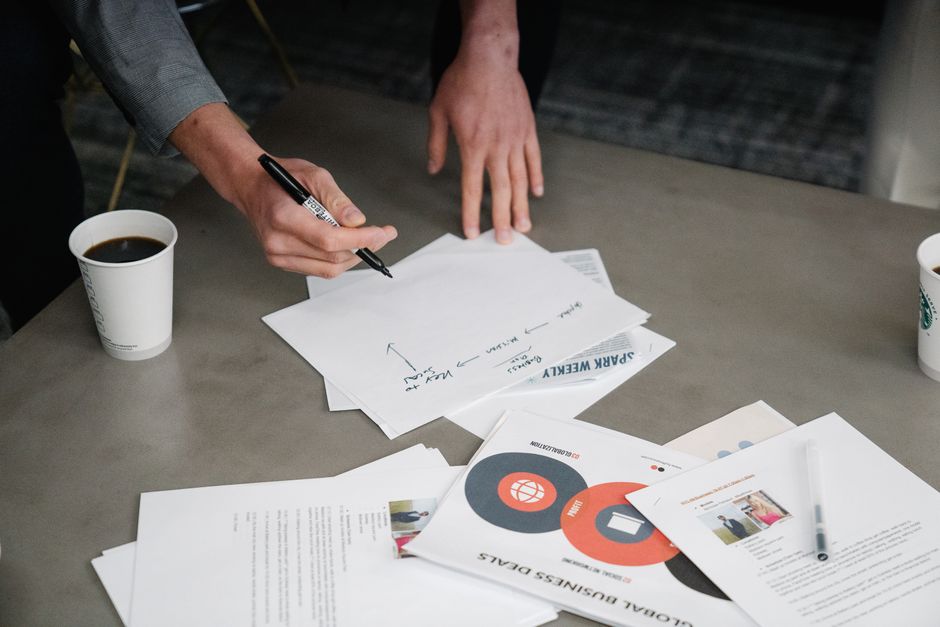
It’s early morning, and the kitchen table is cluttered with yesterday’s coffee mug, a notebook filled with scribbled ideas, and a task list waiting for attention. As I sit down to tackle the day, my screen flickers to life, revealing an avalanche of unread emails. The first task on my list is to finalize an important document, but before I dive into that, I need to sift through the influx of replies that have already begun to crowd my focus. Each ping from my inbox pulls me away from preparation, making it harder to gather my thoughts for the work that truly matters.
Checking my calendar becomes an afterthought, buried beneath the weight of new messages. I know that a simple glance at my schedule could help me prioritize my responses and set aside time for that crucial document. Instead, I find myself distracted, letting follow-ups slip through the cracks as I juggle immediate requests. This handoff gap between tasks creates friction, complicating my workflow and leaving me feeling overwhelmed before the day has even begun.
The Setup That Sets You Up for Overwhelm
My kitchen table is cluttered with the remnants of last week’s tasks: a half-empty coffee mug, a notebook filled with scribbles, and my laptop waiting for action. As I settle into my chair, I have every intention of focusing on the important document that needs finalizing. The early morning light streams in, and the quiet of the house feels like a perfect backdrop for productivity. But as soon as I open my laptop, the familiar sound of incoming emails begins to chime, pulling my attention away from the task at hand.
Each ping feels like an urgent call to action, and I instinctively switch to my email tab, letting my carefully planned workflow slip away. I notice a follow-up buried under a pile of new messages, and instead of checking my calendar to prioritize my responses, I dive into the replies. This handoff gap between tasks creates friction, as I lose precious minutes that could have been spent preparing for that crucial document. My intention to start the day strong quickly fades, replaced by the chaos of managing my inbox. A quick glance at my task list reminds me of my priorities, but the noise of the emails makes it hard to focus on what truly matters. Steps That Slip Through the Cracks Before I dive into my email, I take a moment to glance at my calendar. A quick check reveals that I have a meeting scheduled for mid-morning, which means I need to prioritize my tasks accordingly. However, I often overlook the importance of reviewing my task list right after this. Without that step, I find myself drifting into my inbox, where new messages quickly crowd out my focus.
- Check the calendar for urgent tasks or meetings.
- Set aside five minutes to review your task list and prioritize your work.
- Recognize that skipping this review can lead to missed deadlines.
As I sit at my kitchen table, coffee mug in hand, I realize that neglecting this simple review can cost me valuable time. Each email I open pulls my attention away from what I had planned to accomplish. Instead of preparing for that crucial document, I find myself responding to messages that could have waited. By not checking my calendar first, I risk burying important tasks under a mountain of replies, making it harder to regain my focus.
The Email Avalanche: A Key Bottleneck
This same friction shows up again in Balancing Work And Life, especially when the day tightens unexpectedly.
As I settle into my home office, the early morning light filters through the window, illuminating my cluttered kitchen table. My coffee mug sits beside a notebook filled with scribbled tasks, and I open my laptop to review my first work block. The moment I click on my email, I can almost feel the weight of the incoming messages bearing down on me. One reply to a simple question triggers a cascade of notifications, each one demanding my attention.
Instead of focusing on the crucial document I need to prepare, I find myself buried under a flood of new emails. Each ping pulls me away from my planned tasks, and soon, the important follow-up I intended to draft gets lost in the shuffle. I glance at my task list, which now feels more like a wish list, with essential items overshadowed by less urgent replies. The process clogs up right here; the moment I dive into my inbox, I lose sight of my priorities.
To prevent this overwhelm, I remind myself to check my calendar before opening my email. This small adjustment could save me from the avalanche of distractions that follows. I take a deep breath, close my email tab, and instead, focus on writing that follow-up first. By prioritizing my tasks over the incoming messages, I can reclaim my morning and set a more productive tone for the day ahead. However, if I skip this step, the important tasks risk being buried under a mountain of replies, making it increasingly difficult to regain my focus.
A More Effective Order for Your Morning
A slightly different version of this problem appears in Writing Clearly At Work, where the sequence changes but the hidden drag feels familiar.
Before I dive into my workday, I sit at my kitchen table, coffee mug steaming beside my notebook. The early morning light filters through the window, and I pull up my calendar on my laptop. This simple act of checking my calendar first helps me identify my top priorities for the day. I notice a critical follow-up that needs my attention, but if I don’t address it before opening my email, it risks getting buried under new messages. I take a moment to jot down the key points I want to include in that follow-up, setting a clear intention for my first task.
In the past, my routine often started with opening my email, which led to an avalanche of incoming messages that quickly derailed my focus. I would find myself responding to less urgent emails, and by the time I returned to my important follow-up, it felt like a distant memory. Now, I allocate a specific time block for emails after completing my top tasks. This revised order—calendar check, followed by drafting the follow-up, and then tackling emails—creates a smoother workflow. I can see the difference it makes: my task list feels actionable rather than overwhelming, and I’m able to maintain clarity on what truly matters.
With this setup, I also place my notebook directly in front of my laptop, ensuring that my notes are easily accessible while I work. This small adjustment keeps my priorities visible and reminds me of the tasks I’ve committed to completing before distractions creep in. The tradeoff is clear: I’m no longer a slave to my inbox; instead, I control my workflow, which feels empowering and productive.
What Runs More Smoothly After That
Once I established a clearer sequence for my workflow, the chaos of meeting days transformed into manageable segments. Each morning, as I sipped my coffee from a chipped mug, I would open my calendar first to confirm the day's meetings. This simple act ensured I was mentally prepared for the discussions ahead, allowing me to prioritize my follow-ups without the constant distraction of incoming emails.
In the past, I often found myself buried under a mountain of new messages, with important replies lost in the shuffle. Now, after checking my calendar, I draft my follow-up emails while the meeting notes are fresh in my mind. This adjustment not only keeps my tasks organized but also enhances my professional communication, as I can reference specific points from the meeting without delay. I place my notebook beside my laptop, where I jot down any additional thoughts or actions that arise during the meeting, ensuring nothing slips through the cracks.
This structured approach has led to a noticeable improvement: I no longer feel overwhelmed by the volume of my inbox. Instead, I tackle emails with purpose, knowing I’ve already captured crucial follow-ups in my task list. The tradeoff is clear; while I still receive a flood of emails, my focus remains on what truly matters, allowing me to navigate my workday with greater ease.
As I sit at my kitchen table, the early morning light filtering through the window, I realize that the key to handling work overwhelm lies in recognizing the friction points in my workflow. When I neglect to check my calendar before diving into emails, I often find myself scrambling to catch up on follow-ups that should have been prioritized. This simple act of checking my schedule first helps me identify which tasks demand immediate attention, allowing me to allocate my time more effectively.
By keeping my task list visible and updating it with any follow-ups right after meetings, I create a clear path through the chaos of my inbox. This small adjustment not only streamlines my workflow but also reduces the mental clutter that often leads to feeling overwhelmed. Next time I sit down to work, I’ll make it a point to glance at my calendar and task list first, ensuring I start my day with purpose and clarity.
