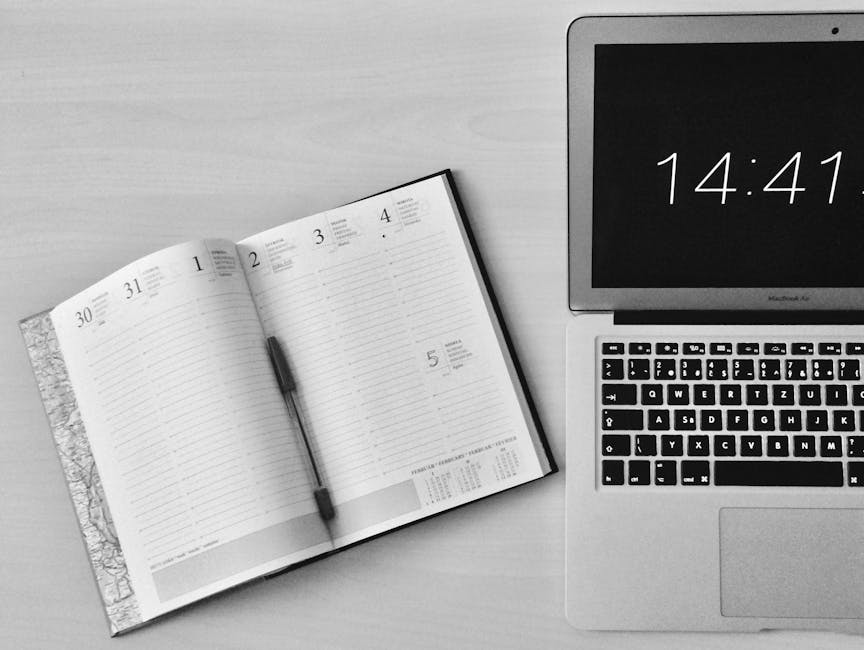
Early morning light filters through the kitchen window as you sit at the table, coffee mug in hand, scanning your task list for the day. The calendar event pane on your laptop shows a busy schedule ahead, with back-to-back meetings and deadlines looming. You know the importance of team communication, especially when juggling an important document that needs input from several colleagues. Yet, as you prepare to dive into your tasks, a nagging feeling of overwhelm creeps in, stemming from the uncertainty of whether everyone is aligned on the agenda.
As you open your email draft to send out a quick note about the upcoming meeting, you realize the agenda line is missing from your notes. This small oversight could lead to confusion later, as team members might come unprepared or misaligned. Without confirming the agenda beforehand, the working document may open too late, leaving everyone scrambling for clarity. Each missed step in this process not only adds to your workload but also heightens the sense of overwhelm that comes with managing multiple tasks and communication threads.
The First Step That Gets Skipped
Early mornings at the kitchen table often set the tone for the day. With a steaming coffee mug on one side and a notebook open on the other, the laptop sits ready, its screen illuminating the calendar event pane. This is the moment to review the task list and upcoming meetings before diving into the day’s work. Yet, as you scan the agenda for the first meeting, a sinking feeling arises when you notice that the agenda line is missing from your notes. This small detail can snowball into confusion when team members arrive unprepared, leading to wasted time and frustration.
In the rush to get started, it’s easy to overlook confirming the agenda before sending out an email draft. Instead of typing out a quick message to the team, consider taking a moment to check off that agenda line first. This simple action can significantly improve clarity. Open your task list and ensure that the agenda is clearly defined, then draft the email. Without this step, the working document may not be opened until the meeting starts, leaving everyone scrambling for information. The absence of a clear agenda can create gaps in communication, making it hard for colleagues to contribute effectively.
By prioritizing this initial setup, you can avoid the overwhelm that often accompanies miscommunication. Next time you sit down to plan your day, take that extra moment to confirm the agenda before reaching for your laptop. This small adjustment can streamline your workflow and help keep your team aligned, reducing the sense of chaos that often creeps in as deadlines approach.
What Gets Forgotten in the Handoff
This same friction shows up again in Balancing Work And Life, especially when the day tightens unexpectedly.
Before the first work block begins, the home desk is often cluttered with a coffee mug, a notebook filled with to-do lists, and a calendar displaying the day’s meetings. In this early morning haze, it’s easy to overlook a critical step: confirming the agenda for the upcoming meeting. Instead of diving straight into drafting an email or opening the working document, take a moment to review the agenda line. This simple act can prevent a cascade of confusion later in the day.
When the working document is opened too late, it often leads to a frantic scramble for information just minutes before the meeting starts. Colleagues might find themselves sifting through emails or notes, trying to piece together what needs to be discussed. Without the agenda clearly outlined in front of everyone, vital points can slip through the cracks. This oversight doesn’t just waste time; it steals attention from the actual discussion, leaving team members feeling unprepared and overwhelmed.
To avoid this pitfall, incorporate a quick pre-meeting check into your routine. Before opening the document, ensure the agenda is not only confirmed but also shared with the team. This can be as simple as jotting it down in your notebook or sending a brief message in the team chat. By prioritizing this step, you set a clear expectation for the meeting and create a more focused environment, reducing the chaos that often accompanies miscommunication.
A Better Order for the Same Five Minutes
A slightly different version of this problem appears in Writing Clearly At Work, where the sequence changes but the hidden drag feels familiar.
Before diving into the day’s tasks, the early morning at your kitchen table can set the tone for how you handle work overwhelm. With a steaming coffee mug beside your notebook, the calendar event pane open on your laptop, it’s easy to feel prepared. However, if you skip checking the agenda line before opening the working document, you might find yourself scrambling later. A missing agenda can lead to confusion about what needs discussion, resulting in a chaotic meeting.
Instead of jumping straight to the document, take those five minutes to confirm the agenda first. Start by reviewing your task list and jotting down the key points you want to address. Then, open your email draft to send a quick note to your team, outlining the agenda clearly. This simple adjustment not only ensures everyone is on the same page but also minimizes the risk of overlooking crucial topics. By placing this step before accessing the working document, you create a focused environment where everyone knows what to expect.
After confirming the agenda, open the working document and check off items as you go. This sequence—agenda check, team message, then document access—transforms a potentially frantic moment into a structured one. When the agenda is clear and shared, team members can engage meaningfully, reducing the overwhelm that often comes with miscommunication. This small shift in order can significantly enhance your workflow planning, allowing you to tackle the day with confidence.
What Changes Once the Sequence is Cleaner
Opening your calendar event pane early in the morning, while sipping coffee from your favorite mug, sets the tone for the day. When you confirm the agenda for your upcoming meeting before diving into your email or documents, you create a structured approach that can significantly reduce last-minute scrambling. Instead of hastily searching for notes or the latest version of the working document, a clear agenda allows you to focus on what truly matters. The absence of a missing agenda line in your notes can mean the difference between a productive discussion and a chaotic exchange of ideas.
When team members know what to expect, communication becomes sharper. With a well-defined agenda, you can send a quick email draft to your colleagues, highlighting key discussion points. This small act fosters accountability and ensures everyone arrives prepared. The result? Meetings that flow more smoothly, where participants can engage meaningfully without the usual overwhelm stemming from unclear expectations. In the context of remote work, this clarity is even more crucial; without face-to-face cues, a shared agenda acts as a guiding framework.
Once the agenda is confirmed, you can open the working document with confidence, knowing that you’re equipped to tackle each point methodically. This sequence—first the agenda, then the email, and finally the document—transforms your workflow from reactive to proactive. You’re no longer just reacting to what’s thrown your way; instead, you’re steering the conversation, making it easier to manage your workload. Each meeting becomes less about scrambling to catch up and more about contributing effectively, which is a significant improvement in the often overwhelming landscape of team communication.
As you sit at your kitchen table, coffee mug in hand, the calendar event pane glows with your first meeting of the day. You notice that the agenda line is missing from your notes, a small but critical oversight that could lead to confusion. This is where the friction often lies—without that agenda, you’re left scrambling to catch up instead of engaging meaningfully. Confirming the agenda before opening the working document can prevent this chaos. Make it a habit to check for that agenda line first; it sets the tone for the entire meeting.
By taking this simple step, you transform your approach to team communication. You’re not just reacting to the flow of the meeting; you’re prepared, equipped with a clear path forward. Next time, before diving into distractions, ensure that agenda is confirmed. It’s a small act that can significantly reduce overwhelm, allowing you to navigate your workload with greater ease.