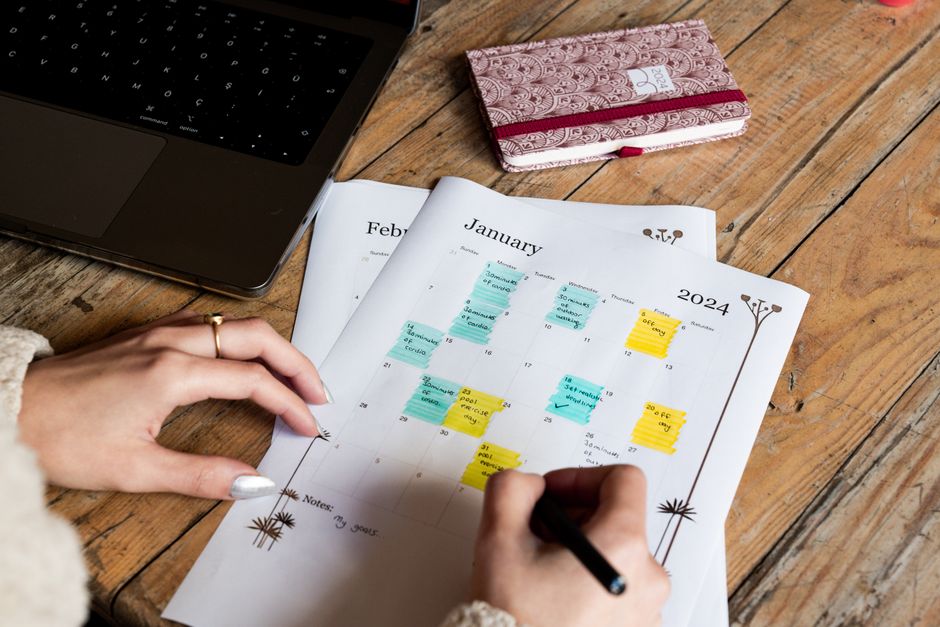
It’s early morning, and the coffee mug sits steaming next to your laptop, a familiar sight at your home desk. You open your email, scanning for urgent messages before diving into the day's tasks. The task list is already populated with items, but as you glance at the calendar event pane, you notice the agenda line is missing from your notes. This oversight feels minor, yet it looms large as you prepare for a busy meeting day ahead. Without that agenda, the first follow-up email draft you plan to send could easily slip through the cracks, adding to the overwhelm that often greets you before the real work even begins.
As you sift through emails, a nagging sense of disorganization creeps in. Your desk setup, while cozy, lacks a streamlined workflow that could help you prioritize effectively. The task list, filled with items, feels more like a jumble than a clear path forward. You realize that skipping the agenda check not only derails your focus but also makes it harder to capture that crucial follow-up in your task list. This small adjustment in your morning routine could mean the difference between a chaotic start and a more manageable day ahead, allowing you to handle the inevitable email spillover with greater ease.
The Morning Setup That Gets Overlooked
At your kitchen table, the early morning light spills across a cluttered surface, illuminating a half-empty coffee mug and a notebook filled with scribbles. You sit down, ready to tackle the day, but first, your eyes dart to the calendar event pane on your laptop. The agenda for the day is crucial, yet you realize it’s missing from your notes. This small detail could set off a chain reaction of missed tasks and forgotten follow-ups.
As you sip your coffee, the familiar routine kicks in: you open your email client and begin sifting through the messages. The draft for the follow-up email sits open, but without the agenda to guide you, it feels incomplete. You quickly jot down a reminder to check the agenda before diving deeper into your inbox, knowing that this simple action could help you capture that important follow-up in your task list later. Skipping this step could lead to disorganization, making it harder to manage the inevitable email spillover that often greets you before the real work begins.
When the Agenda Check Gets Skipped
If this pattern keeps repeating, Balancing Work And Life extends the idea without leaving the niche.
Your calendar event pane glows softly on the screen, a reminder of the day ahead. Each entry is a breadcrumb leading to what needs to be accomplished, yet today, the agenda line is conspicuously absent from your notes. This missing detail isn’t just a minor oversight; it’s a potential pitfall that could derail your focus and lead to overwhelm later in the day.
As you take a sip from your coffee mug, the familiar urge to dive into your inbox kicks in. You open your email client, greeted by a flood of new messages, and the draft for your follow-up email waits patiently in the background. Without the agenda to guide your priorities, you find yourself second-guessing which tasks truly matter. The absence of that one check means you might forget to address key points in your communication, causing delays in team responses and leaving important tasks untracked.
Before you get lost in the sea of emails, pause to check your calendar again. Make it a habit to open your task list and jot down a reminder for that follow-up email—capture it before it slips away. This small action can help you regain control and ensure nothing crucial gets overlooked. Skipping this step can lead to a cascade of missed opportunities and unaddressed tasks, making it harder to manage the inevitable email spillover that greets you each morning.
Why Order Matters in Morning Tasks
This same friction shows up again in Writing Clearly At Work, especially when the day tightens unexpectedly.
Before the first work block begins, the temptation to dive straight into emails can be overwhelming. You sit at your kitchen table, coffee mug in hand, and open your inbox, greeted by a barrage of messages. The draft for your follow-up email sits minimized on your screen, waiting for attention. This initial choice to prioritize emails creates a ripple effect, leading to task spillover that complicates your workflow. Without a clear agenda in mind, you may inadvertently overlook essential points that need addressing, resulting in missed deadlines and untracked tasks.
As you scroll through your inbox, the absence of an agenda check becomes glaringly evident. You realize that the agenda line is missing from your notes, leaving you without a roadmap for the day. Good intentions to handle everything efficiently fall short when the sequence of tasks is disrupted. Instead of focusing on the most pressing tasks, you find yourself reacting to the latest emails, which often leads to a chaotic start. To combat this, take a moment to jot down your top priorities in your notebook before opening your email client. This small adjustment can help you regain clarity and ensure that your follow-up email is not forgotten amidst the noise of incoming messages.
Ultimately, the tradeoff here is clear: prioritizing emails over structured planning can lead to a disorganized morning and a cluttered task list. By shifting your focus to a quick review of your agenda first, you set a more productive tone for the day, reducing the likelihood of overwhelm as you navigate the demands of remote work.
Rearranging the Sequence for Clarity
Before the day truly begins, your home desk is cluttered with the remnants of yesterday's tasks. A coffee mug sits beside a notebook filled with scattered notes, while your calendar event pane glows with reminders. The first thing you reach for might be your email client, but this can lead to a chaotic start. Instead, take a moment to check your agenda first. This simple adjustment ensures that you focus on what truly matters before getting swept away by incoming messages.
As you review your agenda, jot down any follow-up tasks directly in your task list. For instance, if a meeting yesterday left you with an action item to send a follow-up email, write it down immediately. This not only captures the task but also serves as a visual reminder to prioritize it. If you skip this step, you risk forgetting about important communications, which can lead to delays and frustration. By rearranging your morning routine to prioritize agenda checks, you establish a clearer path for the day ahead.
When you open your email after this quick review, you’ll find that your mind is less cluttered. You’ll know exactly what needs to be addressed first, rather than reacting to the latest email that pops up. This shift in sequence can significantly reduce overwhelm, allowing you to handle your workload with more intention and clarity.
A Quick Checkpoint to Stay on Track
Before diving into your email, take a moment to glance at your agenda for the day. This simple act can save you from getting sidetracked by incoming messages. As you sit at your kitchen table with your coffee mug and notebook, pull up your calendar event pane. Make it a habit to check your agenda first thing in the morning, ideally before the clock strikes nine.
To reinforce this routine, consider placing a sticky note on your laptop or using a digital reminder on your phone that prompts you to check your agenda. The note could read, "Agenda First!" This visual cue serves as a gentle nudge to prioritize your tasks and helps prevent the common mistake of skipping this crucial step.
When you do check your agenda, jot down any follow-up tasks directly in your task list. For example, if your notes from yesterday’s meeting are missing an agenda line, write down the follow-up email you need to send right away. This not only captures the task but also sets a clear intention for your morning. By making this quick checkpoint a consistent part of your routine, you’ll find that your focus sharpens, allowing you to tackle your workload with greater clarity and purpose.
Carrying the Adjustment Forward to the Workday
Starting your day with a quick check of the agenda can transform how you manage your inbox. As you sip your coffee, glance at your calendar pane to see the day’s meetings lined up. This simple act of reviewing your agenda not only clarifies your priorities but also sets the tone for focused email management. You might find that instead of mindlessly scrolling through messages, you’re tackling emails directly related to your upcoming meetings, which streamlines your communication efforts.
When the clock ticks toward your first meeting, you’ll notice a smoother transition into those discussions. With your agenda fresh in mind, you can quickly draft a follow-up email regarding the missing agenda line from yesterday’s notes. Instead of feeling scattered, you’re able to send that email promptly, capturing it in your task list as a concrete action. This ensures that you’re not just reacting to emails but actively managing your workflow. Your team communication becomes more effective, as you’re now equipped with the right context and information to engage meaningfully.
As the morning unfolds, the initial adjustment of prioritizing your agenda creates a ripple effect. You’ll find that your focus sharpens, allowing you to execute tasks with greater clarity. The earlier friction of missed agenda checks diminishes, and you’re left with a manageable flow of work. However, be mindful of the tendency to skip this step when the day gets busy; it’s easy to overlook your agenda in the rush. Keeping your task list visible on your desk can serve as a reminder to maintain this practice, ensuring you carry the adjustment forward throughout your workday.
As you settle into your workspace, take a moment to open your calendar event pane and ensure your agenda is front and center. This simple act can prevent the chaos of email spillover from derailing your focus. By confirming your agenda before diving into tasks, you create a clear pathway for your work, allowing you to prioritize effectively. When you skip this check, the risk of miscommunication rises, and you may find yourself scrambling to catch up later.
Next, keep your task list within arm's reach. As you sip your coffee, glance over it to remind yourself of the follow-up you need to send. This visual cue not only reinforces your priorities but also helps you maintain a structured approach to your morning routine. By anchoring your workflow around these checks, you’ll find that handling work overwhelm becomes more manageable, setting a productive tone for the day ahead.