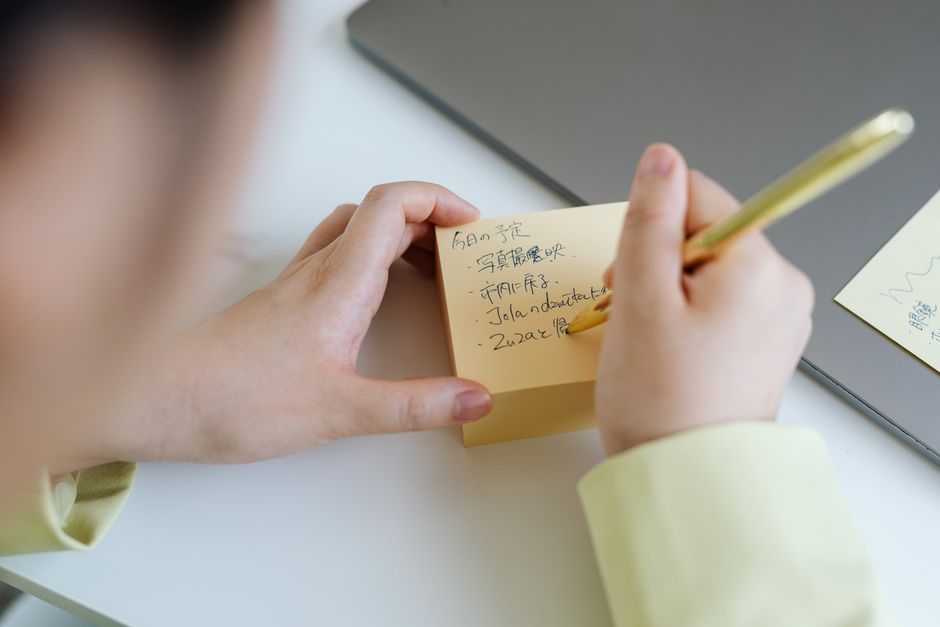
It’s early morning at the kitchen table, and the coffee mug sits beside a cluttered notebook filled with hastily jotted notes. The first meeting of the day looms, and the task list glows on the laptop screen, waiting to be tackled. As the clock ticks closer to the start time, the urge to check emails is almost irresistible. A quick glance at the email draft window reveals a follow-up message buried under a wave of new mail. Instead of diving into the work tasks, the focus shifts to addressing the email, which pulls attention away from the pressing agenda.
This shift in focus creates a ripple effect. The handoff notes, scattered across various documents and emails, become harder to track as the morning progresses. The initial plan to open the working document first gets sidelined, leading to a disjointed workflow. Without that crucial pre-meeting check on the task list, important details slip through the cracks, setting the stage for overwhelm. The sequence of actions—checking emails before solidifying priorities—leads to a chaotic start, making it difficult to regain composure as the day unfolds.
The Morning Routine That Sets the Stage
At a cluttered kitchen table, the aroma of fresh coffee wafts through the air, blending with the rustle of papers scattered across the surface. A notebook lies open, filled with scribbled notes and reminders, while a laptop sits ready, its screen illuminating the early morning light. As the clock ticks toward the first meeting, the persona’s attention drifts toward the email draft window, where a follow-up message is lost among a flood of new emails.
Instead of prioritizing the task list for the day, the urge to check emails pulls focus away from the critical work ahead. The persona opens the laptop and clicks on the task management app, but the scattered handoff notes—some in emails, others in documents—create a barrier to clarity. A quick pre-meeting check on the task list is essential, yet the sequence of actions has already shifted. With each new email notification, the initial plan to open the working document first gets further sidelined, setting a chaotic tone for the day. This misstep illustrates how a simple shift in routine can lead to overwhelm, making it harder to regain focus as the morning progresses. Where the Sequence Begins to Slip At the kitchen table, the persona's coffee mug sits beside an open laptop, the screen glowing with the email draft from yesterday. As they click to open it, a wave of new messages floods in, pushing the follow-up notes they had intended to address further down the list. Instead of focusing on the task list for the day, the persona finds themselves scrolling through a barrage of emails, each one vying for attention and pulling them away from the critical work ahead.
With important handoff notes scattered across multiple tabs and documents, the persona's desk setup feels chaotic. They glance at the task management app, but the scattered information creates a frustrating barrier. A missed check on the calendar—intended to remind them of the first meeting—adds to the disarray. As the clock ticks closer to the meeting time, the initial plan to open the working document first slips away, leaving them scrambling to piece together what they need. This sequence of actions, where the email draft takes precedence over the task list, sets a chaotic tone for the day, making it increasingly difficult to regain focus as the morning progresses.
How Overwhelm Happens in Ordinary Life
A slightly different version of this problem appears in Balancing Work And Life, where the sequence changes but the hidden drag feels familiar.
At the kitchen table, the sun barely peeks through the window as the persona sips coffee and glances at their task list. The intention is clear: open the working document first and tackle the most pressing project before the first meeting. However, as the email notifications chime, the focus shifts. Each new email pulls attention away, creating a backlog of responses that soon outweighs the original plan. The task list, once a priority, now sits neglected, buried under a mountain of unread messages.
This shift in focus leads to a cascading effect. As the persona types a quick reply to an urgent email, they notice another notification pop up, this time a follow-up buried under new mail. The handoff notes they need are scattered across multiple tabs, causing frustration as they try to piece together the necessary information. A missed check on the calendar—a reminder for the upcoming meeting—adds to the chaos, making it harder to regain momentum. The good intentions of starting the day organized quickly unravel, revealing that the sequence of opening emails first instead of the working document creates unnecessary drag in their workflow. The clutter of distractions leaves them scrambling, highlighting how a small choice can lead to overwhelming pressure before the day even begins.
A Simple Adjustment to Improve Focus
If this pattern keeps repeating, Writing Clearly At Work extends the idea without leaving the niche.
At the kitchen table, the morning light streams through the window, illuminating a cluttered workspace. The coffee mug sits beside a notebook filled with scribbled notes, and a task list lies open next to the laptop. As the office worker prepares for the first meeting of the day, they notice the email tab is still open, filled with unread messages that threaten to pull them into a rabbit hole of distractions. Instead of diving into the emails, they make a conscious decision to close the tab first, allowing their mind to focus on the priorities ahead.
With the email distractions eliminated, they turn their attention to creating a single document for all follow-up notes, consolidating information that previously resided in multiple locations. This small adjustment significantly reduces clutter and confusion, making it easier to track essential tasks. Before they dive into the work, they take a moment to review the task list, ensuring that they have a clear understanding of what needs to be accomplished. This simple sequence change—prioritizing the working document over the email draft—sets a productive tone for the day, minimizing overwhelm right from the start. Yet, the lingering question remains: will this newfound focus hold as the day progresses, or will the email tab beckon them back into chaos? The Impact of a Focused Start on the Day Ahead With the coffee mug steaming beside them, the office worker sits at their kitchen table, ready to tackle the day. The task list, neatly organized in their notebook, serves as a roadmap. By prioritizing the working document over the email draft, they ensure that the first meeting of the day is approached with clarity. This focused start allows them to visualize their goals and articulate their thoughts more effectively.
As they prepare for the meeting, they notice that managing new emails becomes significantly easier. Instead of feeling overwhelmed by a flood of incoming messages, they can categorize emails based on urgency, thanks to their clear task outline. This shift in mindset not only reduces anxiety but also enhances their ability to respond promptly and accurately to team communications.
Before the meeting kicks off, they take a moment to check off the most pressing items from their task list, ensuring nothing is overlooked. With this simple pre-meeting check, they confirm that all necessary documents are open and ready to share. This small routine change helps them feel grounded, setting a productive tone that carries through the day. However, as they dive into the meeting, they can’t help but wonder if the clarity will hold against the inevitable distractions that come with remote work.
As the morning progresses, the worker realizes that the chaos of scattered notes and email drafts can lead to unnecessary overwhelm. They take a moment to open their working document first, setting a clear focus before diving into the distractions that come with remote work. This simple act creates a mental anchor, allowing them to prioritize tasks effectively and reduce the risk of vital information slipping through the cracks.
By establishing this routine, they notice that they can manage their workflow more efficiently, preventing the email spillover from derailing their day. A quick pre-meeting check ensures that all essential documents are readily accessible, reinforcing the importance of maintaining a structured approach to their tasks. This adjustment not only helps them tackle their workload but also keeps the overwhelm at bay, making it clear that respecting the order of operations is crucial for a smoother workday.