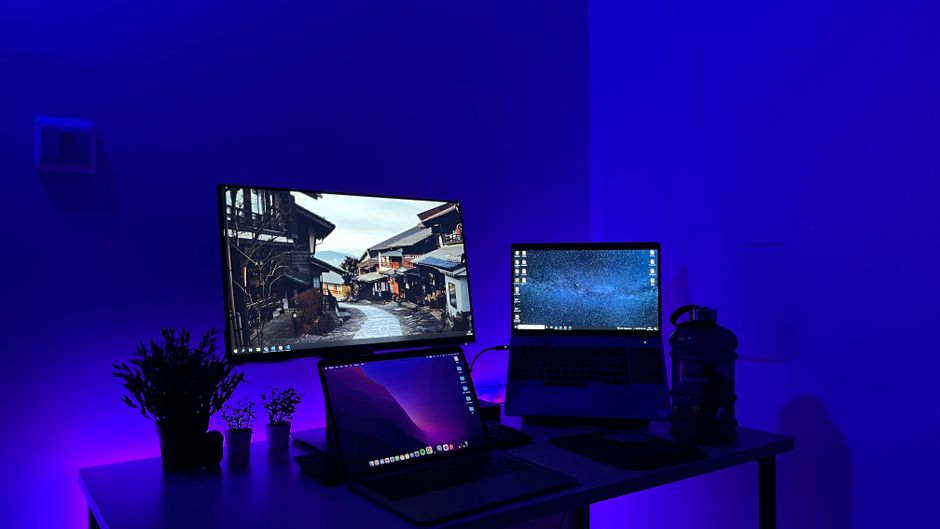
At the kitchen table, the early morning light filters through the window as a coffee mug sits beside an open notebook, its pages filled with hastily jotted tasks. It's a meeting day, and the clock ticks closer to the hour when a video call will begin. The working document tab remains closed on the laptop, a glaring oversight that could lead to scrambling for information just moments before the call starts. With a quick glance at the task list, the team member knows they need to prepare, but the distractions of the day loom large, making it easy to lose track of important details.
As the minutes tick by, the pressure mounts. The calendar shows back-to-back meetings, but without opening the presentation deck now, the key points may slip through the cracks. This missed step—neglecting to check the working document before diving into emails—can lead to a cascade of overwhelm. When the call starts, the team member finds themselves unprepared, struggling to recall vital information that was buried under the clutter of a chaotic desk setup. The simple act of organizing the workspace and prioritizing the right documents can make all the difference, yet it often gets overlooked in the rush of a busy morning.
The Morning Routine: Where Chaos Begins
At the cluttered kitchen table, a half-full coffee mug sits next to a laptop, its screen glowing with notifications. The team member opens their task list but is immediately distracted by the jumble of papers and sticky notes scattered across the surface. A quick glance at the calendar reveals a packed schedule filled with meetings, yet the disarray around them makes it hard to focus on the first task of the day. The presentation deck for the upcoming call remains closed, ten minutes before it’s due to start, amplifying the sense of impending overwhelm.
In this early morning haze, the team member knows they need to prioritize their time. They take a deep breath and decide to clear a small space on the table, pushing aside the clutter to make room for the laptop. This small adjustment allows them to open the working document first, rather than diving straight into emails. By checking the calendar again, they remind themselves to review key points from the deck before the meeting begins. Without this simple act of preparation, the risk of scrambling for information looms large, and the chaos of the desk setup could easily derail their focus as the day unfolds.
The First Signs of Slipping Focus
As the team member opens their laptop, the first thing they notice is the glaringly closed working document tab. It sits there, mocking them with its potential, while scattered papers and sticky notes clutter the kitchen table. The coffee mug, now cold, sits neglected next to a half-finished task list that feels more like a burden than a guide. This disarray isn’t just a visual distraction; it’s the first sign of slipping focus, a precursor to the overwhelm that can easily take over their morning.
With a glance at the calendar, they spot an upcoming meeting in just thirty minutes. Panic begins to creep in as they realize they haven’t even opened the presentation deck that’s crucial for the call. Instead of diving into emails, they decide to prioritize their preparation. They push aside the loose papers and take a moment to breathe, allowing themselves to refocus. The decision to clear the clutter is a small but significant step. They open the working document, but it’s still blank, echoing the chaos around them.
Before diving into the content, they remember a simple yet often overlooked check: reviewing the agenda for the meeting. This quick glance at the calendar reminds them of key points to cover, but it also highlights how a lack of organization can lead to scrambling for information. The risk of being unprepared looms large, and as the clock ticks down, the scattered setup transforms from a minor inconvenience into a potential derailment of their entire day.
Why Preparation Gets Overlooked
The kitchen table is cluttered with loose papers, a half-drunk coffee mug, and a task list that seems to multiply every day. As the clock ticks closer to the morning meeting, the intention to prepare is overshadowed by the chaos. The working document tab sits unopened, and the presentation deck is still buried beneath a pile of notes. This disorganization inevitably leads to a last-minute scramble, where critical documents are misplaced or forgotten entirely.
Searching for the right materials only adds to the stress. With each minute wasted rifling through papers, focus drifts further from the task at hand. The anticipation of the meeting turns into anxiety as the realization sets in: good intentions alone won’t suffice if the workspace is a mess. A simple yet often neglected step, like checking the calendar for the agenda, could have streamlined preparation. Instead, the character finds themselves racing against time, which only amplifies the feeling of overwhelm.
In this scenario, the hidden tradeoff is the time spent organizing versus the time lost in frantic searching. The character’s decision to prioritize immediate tasks over setting up their workspace correctly leads to a cascading effect of disarray. As they finally open the working document, they are left with a blank screen and a racing heart, highlighting that without a solid desk setup, even the best intentions can fall short.
A Simple Adjustment: Pre-Meeting Prep
If this pattern keeps repeating, Balancing Work And Life extends the idea without leaving the niche.
Before diving into the day’s tasks, a quick glance at the desk reveals a clutter of notebooks, a half-drunk coffee mug, and an unorganized stack of papers. This scene, common for many working from home, often leads to the frustration of scrambling for documents just minutes before a call. Setting aside just five minutes to tidy up and prepare can drastically change the flow of the morning. Clearing the desk not only creates a more inviting workspace but also reduces the chances of overlooking crucial items needed for the meeting.
As the clock approaches the start time, the character realizes they haven’t even opened the working document yet. A missed opportunity arises here; establishing a checklist for pre-meeting tasks could have included checking the calendar for the agenda and ensuring the working document is ready. Instead, they find themselves racing against the clock, with only ten minutes left before the call. By prioritizing a quick setup—like opening the document and reviewing the agenda first—they can eliminate the last-minute panic of searching for information. This simple sequence change transforms the morning from chaotic to organized, allowing for a smoother transition into the meeting itself.
A Quick Check That Prevents More Drift
This same friction shows up again in Writing Clearly At Work, especially when the day tightens unexpectedly.
Before diving into the day's tasks, the clutter on the kitchen table can be overwhelming. A coffee mug sits beside a stack of unfiled papers, while a notebook lies open with half-finished notes from yesterday's meetings. This chaotic setup can lead to missing crucial details, especially when preparing for a call or deadline.
To counteract this, a quick pre-meeting check is essential. Open your calendar first to confirm the agenda for the day; this is a non-negotiable step. Next, ensure the working document is already open on your screen. If the deck is still closed ten minutes before the call, you’re setting yourself up for last-minute panic. Instead, take those few moments to glance through the agenda, jot down any last-minute points in your notebook, and have your task list visible. This small adjustment can create a smoother transition into the meeting, reducing the risk of overlooking follow-ups.
By prioritizing this sequence—calendar first, then the working document—you can avoid the drift that often leads to overwhelm. When both the agenda and document are ready, you can approach the meeting with clarity, rather than scrambling to catch up.
What Gets Easier in the Next Time Block
When the calendar is open and the working document is already on your screen, the next time block feels more manageable. Instead of rushing to find the right slides or scrambling to recall the agenda, you can focus on the conversation ahead. This small shift in preparation allows for smoother team communication, as you can contribute insights rather than just reacting to questions.
Before diving into the next task, take a moment to check your task list. If you’ve noted specific follow-ups from the meeting, it’s easier to prioritize them right away. For instance, if you see that a client proposal needs to be drafted, you can allocate time for that immediately after the call, rather than letting it linger in your mind. This proactive approach reduces the risk of overwhelm, as you’re not left wondering what to do next.
By ensuring that your desk setup is conducive to this workflow—like having your notebook and coffee mug within reach—you create a physical reminder to stay focused. Each time you prepare this way, the friction of last-minute chaos diminishes, leading to a more productive day overall. The next block can transform from a source of anxiety into a structured opportunity, simply by adjusting your setup and checking in with your calendar first.
As the day unfolds, the simple act of checking your calendar before diving into your email can significantly reduce the chaos that often accompanies a busy work schedule. If your working document tab is still closed ten minutes before a call, it’s a missed opportunity to mentally prepare and prioritize your follow-ups. Instead of scrambling at the last minute, take a moment to ensure that your desk is set up for success. Place your notebook, task list, and coffee mug within arm's reach, so they serve as reminders to stay focused on what matters.
Next time you sit down at your home desk or kitchen table, make it a habit to review your tasks and upcoming meetings first. This small adjustment can transform your workflow, allowing you to tackle your day with intention rather than reaction. By prioritizing this pre-work check, you’re not just organizing your space; you’re actively preventing overwhelm from creeping in.