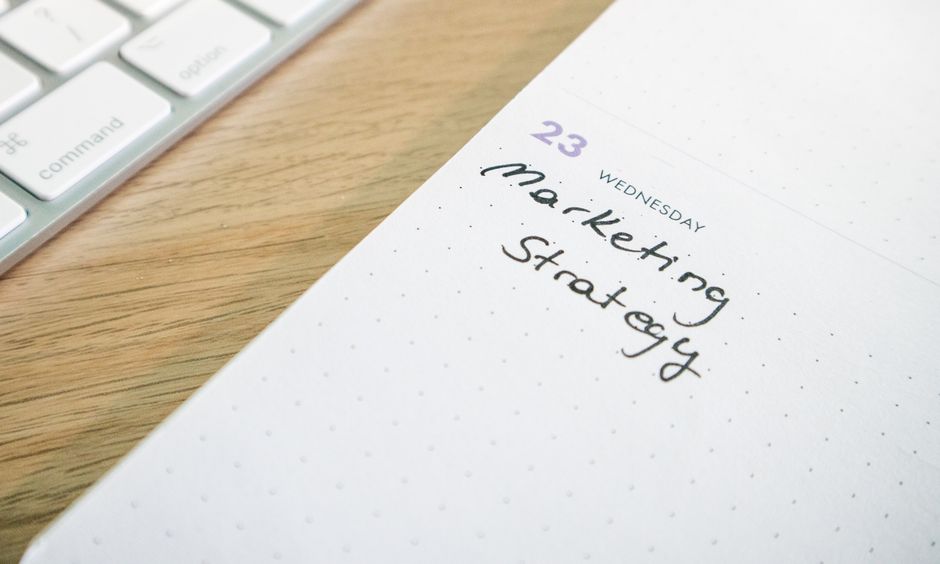
It's early morning at the kitchen table, and the coffee mug is steaming beside a notebook filled with hastily scribbled meeting notes. As the clock ticks closer to the first call of the day, the task list on the screen glows with reminders and deadlines. The urge to dive into email replies is strong, but the priority should be confirming the agenda for the upcoming meeting. Yet, this crucial step often gets overshadowed by the flood of incoming messages, leaving little time to prepare adequately.
Fingers hover over the keyboard, ready to respond to a new email that just popped up, but that follow-up could easily get buried under a pile of other notifications. Without a clear agenda, the meeting risks becoming chaotic, with important points slipping through the cracks. Taking a moment to review the notes and outline key discussion topics could streamline the conversation and set a more productive tone. This small act of preparation, however, frequently gets neglected as the day’s demands start to pile up, leading to a cycle of overwhelm that could have been avoided.
The Morning Routine: A Crucial Setup
At the kitchen table, the aroma of freshly brewed coffee fills the air, mingling with the soft glow of the laptop screen. The notebook lies open, its pages filled with hastily scribbled notes from yesterday’s meetings. As the clock ticks closer to the start of the workday, it’s easy to get distracted by the lure of new email notifications. However, the first step should be to double-check the agenda for the day’s first meeting. This small act can set the tone for a more organized and effective work session.
Before diving into the digital chaos, take a moment to review the task list and calendar. With the coffee mug cradled in one hand, flip through the notebook to confirm the key points that need addressing. This is where the friction often arises: the urge to respond to incoming emails can overshadow the importance of preparation. If the agenda isn’t confirmed, crucial topics may get overlooked during the meeting. By ensuring that the agenda is clear and visible, you can avoid the overwhelm that comes from scrambling for information mid-conversation. A quick glance at the task list to capture one follow-up can make all the difference, allowing you to prioritize effectively and keep the workflow smooth.
Where the Routine Begins to Slip
A slightly different version of this problem appears in Balancing Work And Life, where the sequence changes but the hidden drag feels familiar.
As the clock edges toward the start of the workday, the kitchen table becomes a hub of activity. The coffee mug sits steaming beside a notebook filled with hastily scribbled notes from yesterday’s meetings. Before diving into the digital chaos, confirming the agenda for the first meeting is essential, yet it’s often the first step that gets overlooked. Without this confirmation, you risk entering the meeting unprepared, which can lead to scrambling for information and missing critical discussion points.
Once you open your email, the floodgates can quickly overwhelm your focus. Notifications ping like clockwork, and suddenly, the task of prepping for your meeting slips down the priority list. One quick reply leads to another, and before you know it, the time allocated for preparation has vanished. The result? You might find yourself sitting in the meeting, unsure of the key points that need addressing, while a follow-up action you intended to capture gets buried under a mountain of new emails. This cascading effect emphasizes the importance of prioritizing agenda confirmation before the distractions of the day set in.
To counter this, take a moment to jot down the agenda items in your notebook right after your coffee break. This simple act not only keeps your focus sharp but also ensures that when the meeting begins, you have a clear path to follow. If you can make this a consistent part of your morning routine, you’ll find that your workflow remains smoother, and the overwhelm from unpreparedness diminishes significantly.
The Mechanism of Overwhelm: Why It Happens
If this pattern keeps repeating, Writing Clearly At Work extends the idea without leaving the niche.
Early mornings at your kitchen table can set the tone for the entire day, especially on a packed meeting day. As you sip your coffee, the screen lights up with new email notifications, each one pulling your attention away from the task at hand. Instead of confirming the agenda for your first meeting, you find yourself diving into replies, thinking you’re being productive. However, this sequence of checking emails before preparing for the meeting creates a drag that can be avoided.
Each notification fragments your focus, making it easy to overlook critical tasks. You might intend to jot down key discussion points in your notebook, but with every email reply, that intention slips further down your priority list. This hidden step—prioritizing email responses over agenda confirmation—can lead to chaos. You may enter the meeting feeling unprepared, missing out on the chance to address important follow-ups. It’s not just about good intentions; it’s about the order in which you tackle your tasks. If you can shift your routine to confirm the agenda before opening your inbox, you’ll find that your workflow becomes smoother and the overwhelm from disorganization diminishes significantly.
To counteract this, try a simple adjustment: before you even take your first sip of coffee, take a moment to open your calendar and write down the agenda items for the day. This small act will not only keep your focus sharp but also create a clear path to follow when the meeting begins. By making this a consistent part of your morning routine, you can prevent that first slip into overwhelm and maintain control over your day.
A Simple Adjustment to Change the Sequence
Before your first meeting starts, take a moment to check your desk setup. Place your notebook directly in front of you, open to the meeting notes page. This small but intentional move creates a visual reminder to focus on preparation rather than distractions. Instead of diving straight into your email, which can easily lead to a rabbit hole of replies and new tasks, prioritize confirming the agenda for the day. This shift in sequence can have a significant impact on how you approach the meeting.
Set a timer for five minutes to dedicate yourself solely to this prep task. During this time, review your calendar and jot down the key agenda items that need addressing. This focused approach not only helps you clarify what to discuss but also minimizes the chance of important follow-ups getting buried under incoming emails. When the timer goes off, you’ll have a clear outline ready, which can make all the difference in how you engage during the meeting. By making this simple adjustment, you can reclaim control over your workflow and reduce the overwhelm that often creeps in on busy days.
Carrying Forward: The Impact of Small Changes
Before diving into the day's tasks, take a moment to glance at your coffee mug, still warm from the brew you made earlier. It’s early morning, and the kitchen table is scattered with your notebook, task list, and calendar. The first meeting looms ahead, and you can feel the pressure of emails already piling up in your inbox. Instead of succumbing to the urge to check those emails, focus on confirming the agenda for the meeting. This small, deliberate action can set a more organized tone for the rest of your day.
As you sit down with your notebook, jot down the key points you want to address during the meeting. This doesn’t have to take long—set a timer for five minutes and make it a focused exercise. With a clear agenda in hand, you’ll find that the meeting flows more smoothly and you’re able to engage with your team more effectively. Plus, as you capture any follow-up tasks directly in your task list, you reduce the likelihood of those important points getting buried under a mountain of email replies later on.
The ripple effect of this minor adjustment is significant. By prioritizing your agenda, you not only prepare yourself for a more productive meeting but also create a solid foundation for managing your workload throughout the day. As you wrap up the meeting, you’ll have a clear set of follow-up actions in your task list, which can help mitigate future overwhelm. Remember, it’s these small changes that can lead to a more organized workflow, especially on a busy meeting day.
As you sit at your kitchen table, coffee mug in hand, the reality of the day ahead starts to set in. The first meeting looms, and while you might instinctively dive into your email, it’s crucial to resist that urge. Instead, take a moment to confirm the agenda for your meeting. This simple act can prevent a cascade of confusion later on, especially when follow-ups tend to get buried under new messages.
By prioritizing this check, you’ll not only set a clear path for your discussion but also create a more manageable task list. As you jot down any follow-up actions directly related to the meeting, you’ll find that your day feels less overwhelming. So, before opening your inbox, grab that notebook and ensure you have a solid agenda in front of you. It’s a small adjustment that can make a significant difference in handling work overwhelm.
