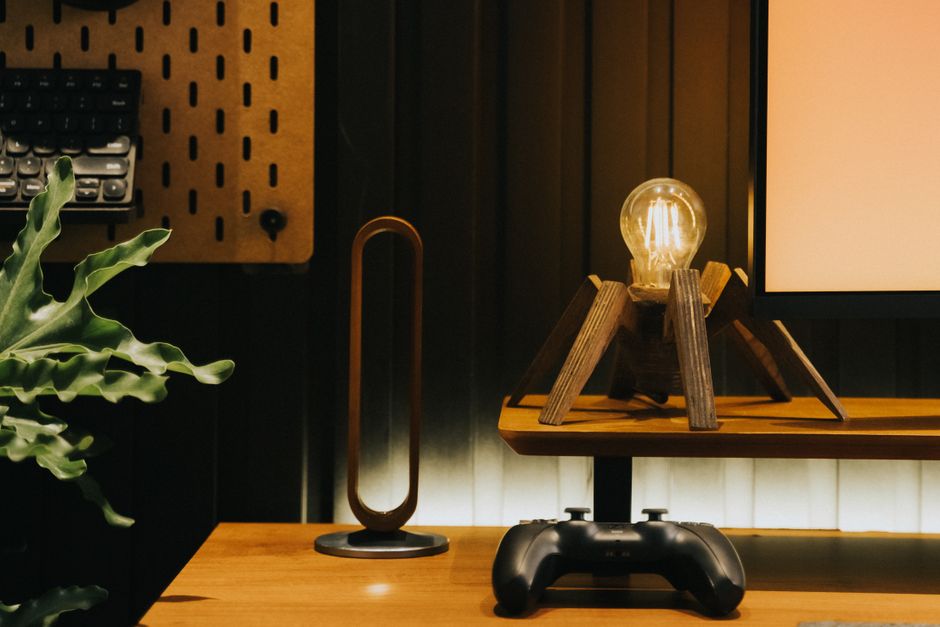
It's early morning at the kitchen table, and the coffee mug sits beside a cluttered notebook filled with hastily jotted notes. As the clock ticks closer to the start of the first meeting, the email draft window is open, displaying a half-finished response to a colleague. The task list on the screen shows a mix of urgent requests and reminders, but without a clear agenda line for the upcoming meeting, the sense of overwhelm begins to creep in. The usual routine of checking emails has already crowded out the time meant for preparation, leaving the agenda for the day feeling incomplete.
Before diving into the day’s tasks, it’s crucial to open the working document and review what needs to be addressed. Skipping this step often leads to confusion during discussions, especially when key points are missing from the notes. With emails piling up, it’s easy to overlook the simple act of capturing a follow-up in the task list, which can make a significant difference in managing workload. By establishing a clear sequence of actions—like prioritizing document preparation over email replies—it's possible to reduce the chaos and regain control of the workday.
The Setup: Intentions vs. Reality at the Kitchen Table
The kitchen table is strewn with a coffee mug, a notebook filled with scribbles, and a laptop that glows with the promise of a productive day. As the early morning light filters through the window, the worker opens their task list, ready to prioritize the day’s demands. With the first meeting looming, there’s a clear intention to focus on preparation, but the moment the email notifications begin to ping, that intention starts to slip away. Each alert pulls attention, making it easy to forget the crucial step of reviewing the agenda for the meeting.
With the task list open, the worker scans through the items, but the absence of an agenda line for the meeting stands out starkly. This missing detail can lead to confusion during discussions, especially if key points are overlooked. As emails continue to flood in, the worker feels the pressure of replying to urgent messages instead of solidifying their notes. To regain control, it's essential to prioritize opening the working document first, ensuring that the agenda is captured and any follow-ups are noted before distractions take over. This simple shift in focus can help mitigate the overwhelm that often creeps in during remote work routines.
Hidden Steps That Get Overlooked
Before the first meeting of the day, the home desk is often cluttered with reminders of tasks and deadlines. A coffee mug sits beside a notebook filled with hastily scribbled notes, while the task list is open on the screen. Yet, many workers skip a crucial step: reviewing the calendar for upcoming meetings and deadlines. This oversight can lead to a chaotic start, as important points get lost in the shuffle.
As notifications begin to ping, the worker feels the pull of incoming emails, diverting attention from the task at hand. Without capturing follow-up tasks from previous emails, confusion sets in. For example, if a colleague mentioned a document needed for the meeting but it wasn’t noted in the task list, the worker may arrive unprepared. This gap not only steals time but also adds to the overwhelm when trying to piece together what was discussed in earlier communications.
To counteract this, open the working document first thing. Ensure that the agenda line is included in the notes, and take a moment to jot down any follow-ups from emails that need addressing. By establishing this small routine, the worker can create a clearer path through the morning's tasks, reducing the likelihood of being sidetracked by distractions. This shift in focus can make all the difference in managing the day’s workflow effectively.
This same friction shows up again in Writing Clearly At Work, especially when the day tightens unexpectedly.
The Email Trap: A Major Bottleneck
As the morning sun streams through the kitchen window, the worker sits at their kitchen table, coffee mug in hand, ready to tackle the day’s tasks. They open the email draft window, intending to finalize notes for the upcoming meeting. However, the familiar ping of incoming replies quickly distracts them, pulling attention away from the agenda they need to prepare.
Each new email brings a flurry of requests and updates, causing important agenda items to get lost in the shuffle. The worker starts replying to messages, thinking they can quickly address them before diving back into their notes. Yet, without a clear task list in front of them, they forget to capture follow-up items mentioned in previous emails. For example, a colleague may have pointed out a document needed for the meeting, but if it isn’t noted, the worker risks arriving unprepared.
This bottleneck not only delays the completion of the agenda but also adds to the overall overwhelm of the workday. To counteract this, a simple adjustment can be made: before opening the email, take a moment to jot down key points and follow-ups in a dedicated notebook. This way, the worker can ensure that nothing important slips through the cracks while managing their emails. By establishing this small routine, they can navigate the morning’s tasks with greater clarity, reducing the likelihood of being sidetracked by distractions.
A Better Order for Morning Prep
Before the clock strikes 9 AM, the home desk is often cluttered with a coffee mug and a notebook filled with hastily scribbled reminders. The task list, pinned to the wall, stares back, a mix of urgent items and lingering follow-ups. Many workers dive straight into their email drafts, thinking they can quickly clear their inbox before prepping for the day. However, this common approach can lead to overlooked details, such as missing agenda lines or unaddressed follow-ups that can derail a meeting.
To streamline the morning routine, start by reviewing the task list and calendar first. This sets a clear agenda for the day. Next, open the working document where the meeting notes will be compiled. This ensures that all necessary agenda lines are included right from the start. By placing this document front and center on the screen, it becomes a constant reminder of what needs to be covered. After these steps, only then should you check emails. This revised order helps prevent the chaos of email replies from clouding your focus, allowing you to capture any follow-up tasks in your notebook before they slip away.
In this way, the morning prep transforms into a more organized sequence, reducing the chance of overwhelm. By anchoring your workflow around the working document and task list, you can navigate the morning’s tasks with clarity, ensuring that crucial points are not missed amidst the distractions of remote work.
What Changes When the Sequence is Adjusted
If this pattern keeps repeating, Balancing Work And Life extends the idea without leaving the niche.
Setting up your workspace can significantly influence how prepared you feel before that first meeting. On a typical morning, the coffee mug sits beside a neatly organized notebook on the kitchen table, while the laptop screen displays an email draft window. Instead of diving into emails right away, consider opening the working document first. This simple shift allows you to focus on capturing key agenda items for the meeting, ensuring that nothing is overlooked.
As you type out the meeting notes, you might notice that the agenda line is missing, which could lead to confusion later on. By placing this document front and center, you create a visual anchor that keeps your priorities clear. Once you’ve documented the agenda, take a moment to check your task list. If any follow-ups from previous emails are relevant, jot them down in your notebook before they slip your mind. This proactive approach not only helps you feel less overwhelmed but also enhances team communication by ensuring everyone is on the same page.
In this way, adjusting the sequence of your morning tasks can lead to a more organized start to your workday. The desk setup remains clutter-free, allowing for a smoother transition from prep time to meeting time. Ultimately, this small change in workflow can make a noticeable difference in how you engage with your team and manage your tasks throughout the day.
As you prepare for your first meeting of the day, consider how easily distractions can derail your focus. The email draft window is often a trap, pulling your attention away from the essential task of reviewing your agenda. By prioritizing the opening of your working document first, you set a clear intention for your work session. This simple act creates a boundary against the flood of incoming messages, allowing you to concentrate on what truly matters.
Before diving into your emails, take a moment to check your task list for any follow-ups that need addressing. Jotting these down in your notebook ensures they won’t be forgotten amidst the chaos of the day. This small adjustment not only streamlines your workflow but also helps maintain clarity in your professional communication. By anchoring your morning routine in these specific actions, you can effectively reduce overwhelm and enhance your productivity throughout the workday.