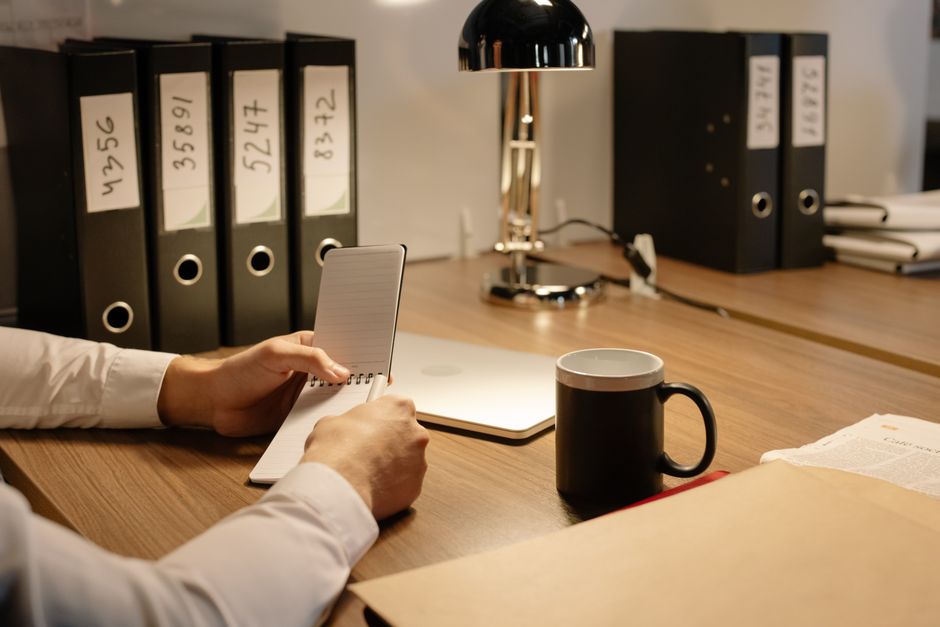
It’s early morning, and the kitchen table is cluttered with a half-drunk coffee mug and a notebook filled with hastily scribbled tasks. As the clock ticks closer to the start of the workday, the first priority is clear: prepare the important document for the upcoming meeting. Yet, instead of opening that working document first, the mind drifts to the influx of emails waiting in the inbox. The familiar ping of new messages creates a distraction, pulling focus away from the critical task at hand. This moment of indecision sets the stage for a cascade of overwhelm that often follows.
With the working document still unopened, the risk of losing track of essential points increases. As new emails flood in, a follow-up request from yesterday gets buried beneath a pile of fresh messages. The urgency to respond to those emails can overshadow the need for thorough document preparation, leading to a last-minute scramble. Without a pre-meeting check to ensure the document is ready, the chances of overlooking key details rise significantly, making the morning routine feel chaotic and unmanageable.
The Morning Routine That Should Work
With the sun just peeking through the kitchen window, the coffee mug sits steaming beside an open notebook. It’s early morning, and the kitchen table is set up as a makeshift office. A quick glance at the task list reveals a packed day ahead, with an important meeting looming. The calendar shows a series of back-to-back tasks, but the most pressing item is the working document that needs preparation. This is the moment to focus, yet the mind often drifts to the incoming emails that will soon demand attention.
Opening the working document first is crucial. Doing so before distractions creep in can make all the difference. Instead of letting the ping of new messages dictate the morning, prioritize the document. Once the document is open, the structure of the meeting can take shape, allowing for a clearer view of what needs to be addressed. If the document remains unopened, the risk of overlooking key points increases significantly, leading to a chaotic scramble later.
As the clock ticks closer to the start of the work block, take a moment for a pre-meeting check. Ensure the working document is not only open but also that the essential points are highlighted. This small adjustment can prevent confusion and help maintain focus amid the distractions of remote work. The task list can wait; the priority is to prepare the document that will guide the conversation. By setting this order of actions, the morning routine can transform from overwhelming to manageable, ensuring that the day starts on the right foot.
Where the Routine Breaks Down
At the kitchen table, the early morning light filters through the window, illuminating a cluttered workspace. The coffee mug sits beside a notebook filled with scribbled notes from previous meetings. As the clock ticks closer to the start of the work block, the temptation to check emails can easily derail the morning routine. When the working document remains unopened, distractions creep in, and key information becomes scattered across various emails and notes, making it harder to prepare effectively.
Opening the working document first is crucial. If this step is skipped, the first visible sign of drift often manifests as a frantic search for details right before the meeting begins. Instead of having a clear focus, the mind races through a jumble of scattered thoughts. A simple pre-meeting check can help; take a moment to ensure that the document is open and that essential points are highlighted. This small action can prevent confusion and keep the workflow on track.
However, if the working document is opened too late, the risk of overlooking vital items increases significantly. A follow-up email might get buried under new messages, leading to a chaotic scramble to gather thoughts and materials. The tradeoff here is clear: prioritizing the document over distractions can transform a potentially overwhelming morning into a manageable one, setting a solid foundation for the day ahead.
Why This Failure Happens Again and Again
A slightly different version of this problem appears in Balancing Work And Life, where the sequence changes but the hidden drag feels familiar.
As the early morning light filters through the kitchen window, the coffee mug sits steaming beside a cluttered notebook. You glance at the task list, but the important document required for the upcoming call remains buried under a sea of emails. This is a common pitfall: too many tasks scattered across different platforms lead to confusion and overwhelm.
- When notifications from emails pop up, they pull your focus away from the working document, making it easy to lose track of priorities.
- Each time you switch tabs to check a new email, you risk forgetting to highlight key points in the document, which can lead to scrambling for information right before the meeting.
- With the working document still unopened, the hidden cause of your stress becomes clear: you’re not set up for success, and the chaos of your inbox only adds to the pressure.
This morning routine highlights a significant tradeoff: prioritizing the document over distractions can create a more manageable workflow. If you don’t open that document first, you might find yourself racing against the clock, trying to gather your thoughts while new emails flood in. The result is a frantic atmosphere that could have been avoided with a simple pre-meeting check, ensuring that the working document is ready and waiting.
A Simple Correction That Shifts the Focus
If this pattern keeps repeating, Writing Clearly At Work extends the idea without leaving the niche.
Before the clock strikes 9 AM, the kitchen table is cluttered with a coffee mug, a notebook, and a task list. The day’s first work block is just moments away, yet the urge to check emails pulls at your focus. This is where the routine often falters: diving into the inbox before addressing the working document. The result? A frantic scramble to gather thoughts and key points right before the meeting.
To mitigate this, open the working document first. This simple action sets the stage for a more productive session. Once the document is up, set a timer for five minutes to review its contents. This focused time helps you identify critical points and any necessary adjustments without the distractions of incoming emails. By prioritizing the document, you create a buffer against the chaos of your inbox, allowing for a clear mind as you prepare for the call.
This small correction shifts your focus from reactive email management to proactive document preparation. When the working document is your first point of engagement, it transforms the way you approach the day’s tasks, reducing overwhelm and enhancing clarity. Skipping this step leads to missed details and increased stress, while taking just a few minutes to review can set a more manageable tone for the entire workday.
One Quick Check to Prevent Drift
As the sun begins to rise, the kitchen table transforms into a workspace, cluttered with a coffee mug and a notebook filled with task lists. Before diving into the influx of emails, take a moment to ensure the working document is open and ready. This small action, often overlooked, can significantly impact how the day unfolds.
To set the stage for a focused session, jot down any urgent tasks on a sticky note and place it next to your laptop. This visual cue acts as a reminder of what needs immediate attention, preventing those tasks from getting buried under new emails. The act of writing it down solidifies your priorities, allowing you to approach your work with intention.
Before you click into your email inbox, confirm that the working document is visible on your screen. This quick check serves as a crucial checkpoint in your workflow. By prioritizing the document first, you shift your mindset from reactive email management to proactive preparation. Missing this step can lead to a cascade of distractions, where important details slip through the cracks, heightening feelings of overwhelm. Instead, opening the document first creates a buffer, allowing you to tackle your tasks with clarity and focus.
What Becomes Easier After the Correction
Consolidating key information in one place transforms your workflow. When the working document is open first, it becomes the focal point of your task management. This simple adjustment eliminates the chaos of scattered notes and emails, allowing you to concentrate on the most pressing matters. Instead of flipping between tabs and losing track of your priorities, you can reference your document directly, keeping your thoughts organized and accessible.
In the early morning, as you sip your coffee and glance at your task list, the difference is palpable. With the document already on your screen, you can dive straight into the content needed for your upcoming call or deadline. This setup minimizes distractions, as you’re less tempted to check your email or social media. Each time block feels more productive, allowing you to accomplish more in less time. The clarity gained from this focused approach means you can wrap up your tasks without the usual overwhelm.
Next time you prepare for a meeting, take a moment to review your document before anything else. This pre-meeting check ensures you’re not just reacting to incoming messages but actively engaging with your work. The simple act of having your document ready can significantly reduce the likelihood of missing critical details. As you close your laptop at the end of the workday, you’ll notice a marked decrease in stress, knowing you’ve streamlined your process and kept the important tasks front and center.
As you sit at your kitchen table, coffee mug in hand, the early morning light streaming in, take a moment to prioritize your tasks. Before diving into your email, open that working document first. This simple act can prevent the chaos of a buried follow-up from derailing your focus. When you have your document ready, you’re not just reacting to incoming emails; you’re steering your workflow with intention.
By making this small adjustment, you create a buffer against overwhelm. With your document in front of you, you can easily reference key points during meetings or while drafting responses. The next time you prepare for a busy workday, remember to check that your document is open before anything else. This pre-meeting check can be the difference between feeling in control and getting lost in the noise of your inbox.
